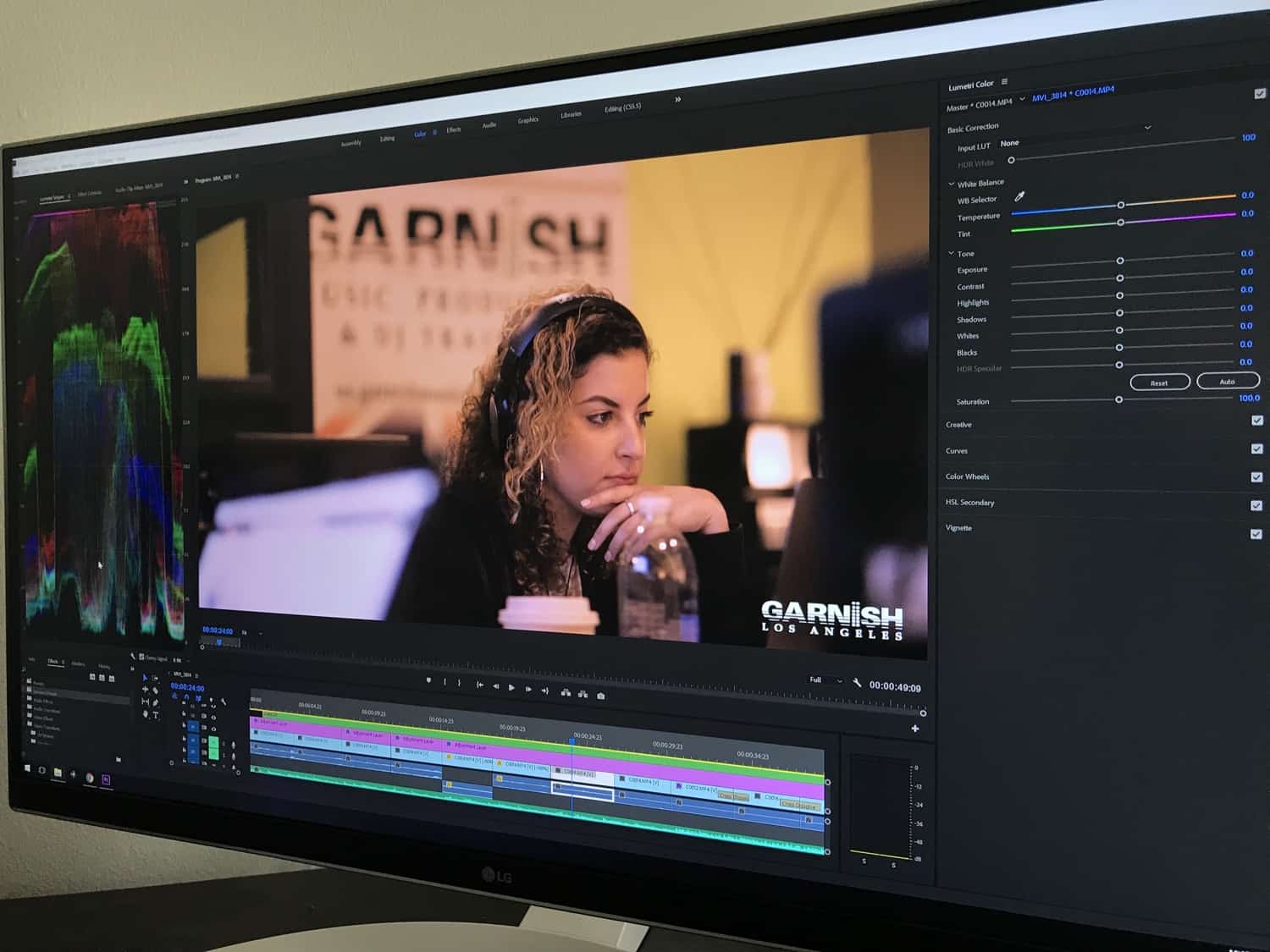
Video Production Course
201 - Editing
- → Understanding Functions Importing footage and creating new sequences Use of tools in timeline Color Grading and Visual Effects Optimizing Workflow Organizing footage Working with proxies Export Understand different codecs Export setting for different audiences/channels If you have any questions, feel free to send us a message or call (424) 653 6481. To go ahead and book, you can use the 'See Schedule and Book' button, and we’ll look forward to seeing you soon. To be in the loop when we release more dates, sign up to our newsletter towards the top right of this page. We don't send many, you can easily unsubscribe, and we never share our data with anyone, ever.
Stay Connected
- →We will not share your information [contact-form-7 id="5689"]
Daily News, Worldwide
- →Paperli.PaperWidget.Show({pid: 'a107aa11-167a-48e6-b5ed-af5cc5647461', width: '100%', background: '#CE1713'})
In our students' words.
“I can’t believe how much better my mixes sound now I’ve done the mixing & mastering course”
Toby Tobias
What you'll cover.
201 - Editing
- → Understanding Functions Importing footage and creating new sequences Use of tools in timeline Color Grading and Visual Effects Optimizing Workflow Organizing footage Working with proxies Export Understand different codecs Export setting for different audiences/channels If you have any questions, feel free to send us a message or call (424) 653 6481. To go ahead and book, you can use the 'See Schedule and Book' button, and we’ll look forward to seeing you soon. To be in the loop when we release more dates, sign up to our newsletter towards the top right of this page. We don't send many, you can easily unsubscribe, and we never share our data with anyone, ever.
Stay Connected
- →We will not share your information [contact-form-7 id="5689"]
Daily News, Worldwide
- →Paperli.PaperWidget.Show({pid: 'a107aa11-167a-48e6-b5ed-af5cc5647461', width: '100%', background: '#CE1713'})
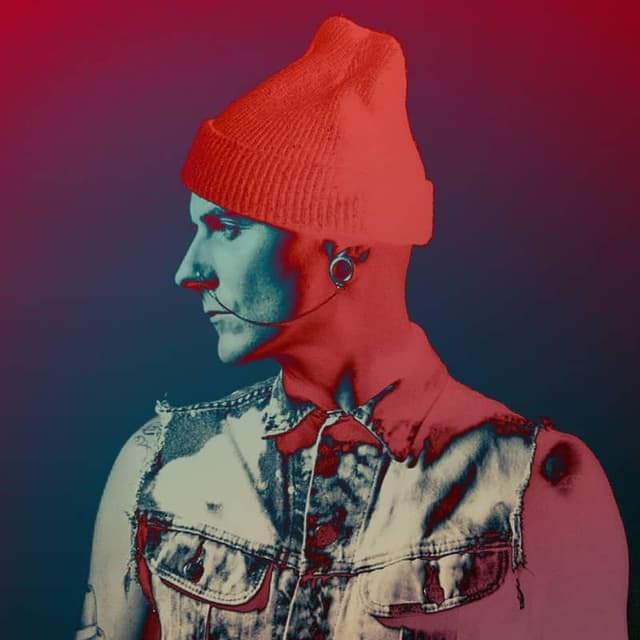
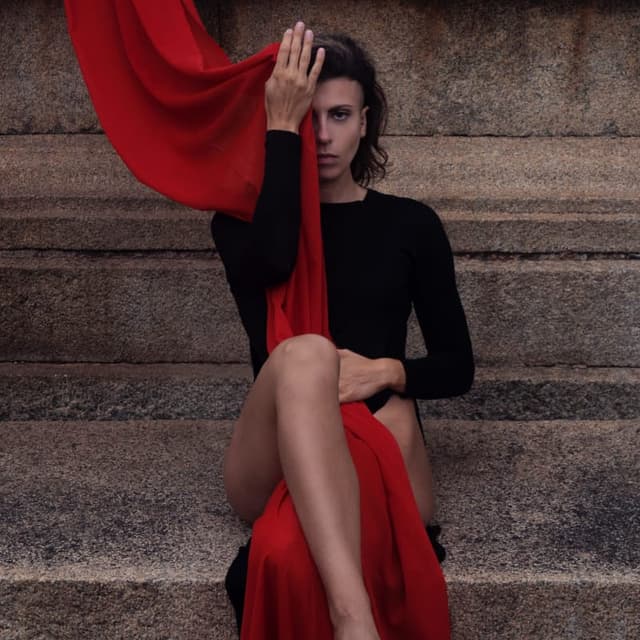
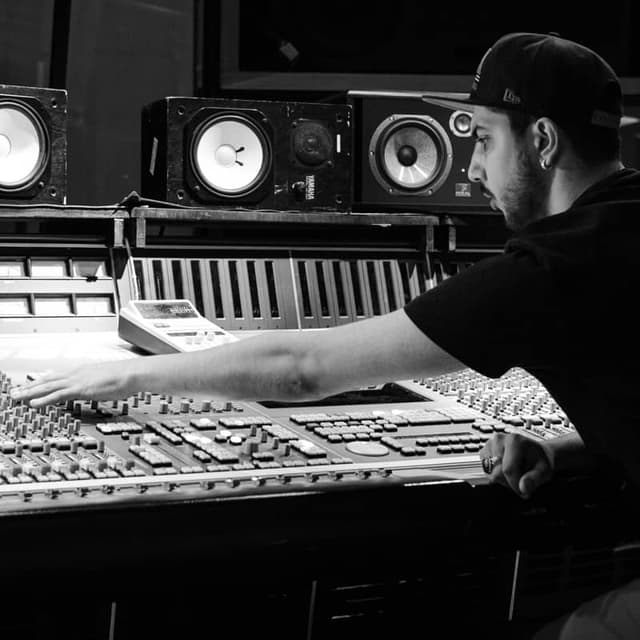
Instructors

Before you enrol.
Bring what you have; the principles are the same on any camera, and the course is about getting the shot right rather than owning a particular body.
Artists who need their own video, and anyone behind a camera for the first time who wants footage that is right in camera rather than fixed in the edit.
The Video Production Course runs in small groups in London. Ask admissions at Garnish London for the current dates and tuition.
Yes. The Video Production Course runs in person at Garnish London and live online in the same sessions, using our music collaboration software, Muse - you join whichever suits you.
Yes. The Video Production Course can be taught one-to-one, in person in London or online, built around your own projects - ask admissions about private instruction.
Planning first - location scouting, scripting and storyboarding - then the camera: sensor size, the exposure triangle, shutter speed and frame rates, codecs and bit rates, aperture, focal length, primes against zooms, and filters.
Ready when you are.
InquireMixing Desk Basics
Subgrouping a mix, using reference tracks properly, and keeping your monitoring level honest over a long session.
Read →Recording and Mixing Vocals
Comping, tone control, mic modelling, de-popping, pitch correction, compression, reverb and delay - the full vocal chain, start to finish.
Read →Vocals
Dynamic control is an essential part of recording vocals. The best dynamic control is achieved from someone who knows good mic technique, getting closer…
Read →Phaser & Flanger
What separates a phaser from a flanger, the parameters that matter on each, and how to use them without wrecking your mix.
Read →The Vocoder
What a vocoder actually does, the difference between carrier and modulator, how filter bands work, and how to sit one in a mix.
Read →Mid/Side and Stereo Width
Mid is what the two channels share, side is what they do not. Splitting a mix that way lets you treat the centre and the edges separately - and it is the most common professional move that never appears in a beginner's mix.
Read →